Agentic AI 2026: Multi-Agent Systems, Breakthroughs & Startup Opportunities
Discover how Agentic AI and multi-agent systems are transforming 2026 — from autonomous workflows to digital teams. Real examples, market data, challenges, and high-potential Micro SaaS ideas for entrepreneurs.
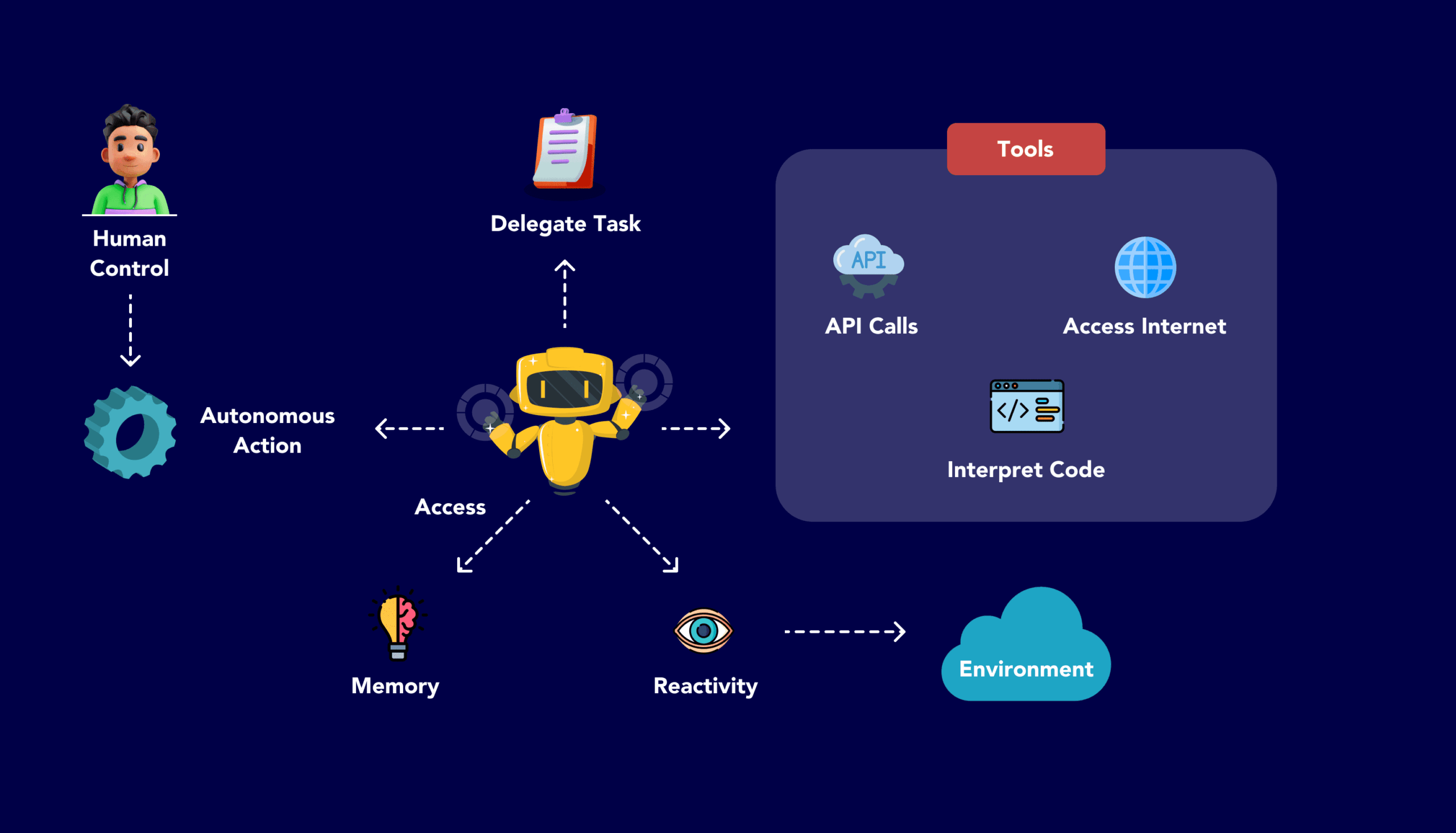
Table of Contents
- Why Agentic AI & Multi-Agent Systems Matter in 2026
- What Exactly Is Agentic AI in 2026?
- The Rise of Multi-Agent Systems
- Breakthrough Progress & Real-World Examples
- Market Opportunity & Numbers
- Actionable Startup & Micro SaaS Opportunities
- Challenges & How to Overcome Them
- How to Validate & Build Your Agentic AI Product
- Practical Next Steps for Entrepreneurs
- Conclusion: The Bakroe Spirit in Agentic AI 2026
- Frequently Asked Questions
Why Agentic AI & Multi-Agent Systems Matter for Entrepreneurs in 2026
Traditional AI answers questions. Agentic AI acts autonomously. It sets goals, plans multi-step tasks, uses tools, reflects on results, and iterates until the objective is achieved — often with minimal human input.
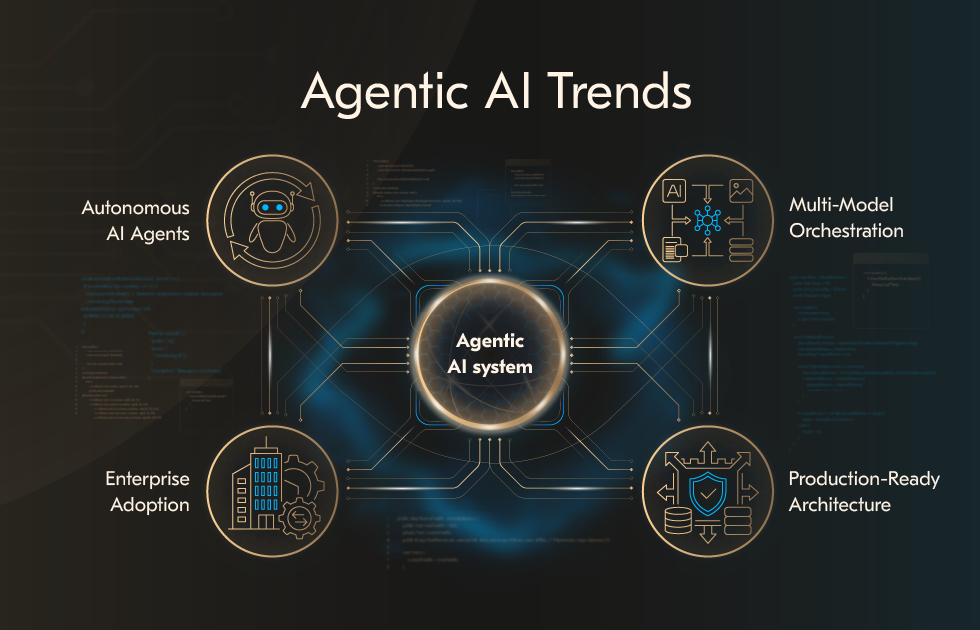
Multi-agent systems go further by orchestrating specialized agents that collaborate like a digital team. According to Gartner, Microsoft, and IBM, this is the defining AI shift of 2026.
What Exactly Is Agentic AI in 2026?
Agentic AI systems exhibit four core capabilities: goal-oriented autonomy, tool use & planning, reflection & iteration, and persistent memory. In 2026 these capabilities have moved from research labs into production environments at Microsoft, IBM, Google, and many enterprises.
The Rise of Multi-Agent Systems
Single agents have limitations in reliability and specialization. Multi-agent systems solve this by breaking complex tasks into roles: planner, researcher, executor, verifier, and compliance checker. Standardized protocols now allow agents to communicate reliably, making them production-ready in 2026.
Breakthrough Progress & Real-World Examples in 2026
- Customer support and finance workflows now run end-to-end with agentic systems, reducing human handoffs dramatically.
- Coding agents handle entire implementation cycles — writing code, tests, and debugging.
- Commerce platforms use agentic AI for personalized discovery, checkout, and post-purchase support.
- IT operations and infrastructure management increasingly rely on autonomous agent teams.

Market Opportunity & Numbers
The agentic AI market is valued at approximately $8.5 billion in 2026 and is projected to reach $45 billion by 2030. 74% of companies plan deployment within the next two years. This creates massive room for vertical Micro SaaS tools and orchestration platforms.
Actionable Startup & Micro SaaS Opportunities in Agentic AI 2026
The highest-potential ideas include niche workflow agents (e.g., GDPR compliance, healthcare prior-authorization), multi-agent orchestration dashboards, governance & security layers, and industry-specific super-agents. Monetization works well through subscriptions and usage-based pricing.
Challenges & How Smart Entrepreneurs Overcome Them
Reliability is addressed with reflection loops and human-in-the-loop guardrails. Integration challenges are solved by focusing on API-first designs. Governance and security must be built from day one — Microsoft Defender and similar tools are becoming standard.
How to Validate & Build Your Agentic AI Product (Bakroe Spirit Framework)
- Pick one painful, repeatable workflow in a domain you understand.
- Map the required agent team and roles.
- Build a narrow MVP using frameworks like CrewAI or AutoGen.
- Validate with real paid pilots and measure time saved or error reduction.
- Add defensibility through proprietary memory or domain data.
- Scale responsibly with audit logs and escalation paths.
Practical Next Steps for Entrepreneurs
Choose one vertical this week. Experiment with open-source multi-agent frameworks. Talk to potential users about their most frustrating manual processes. Build a tiny prototype and gather feedback before scaling.
Conclusion: The Bakroe Spirit in Agentic AI 2026
Agentic AI and multi-agent systems represent the new operating system for digital work. Entrepreneurs who master orchestration, governance, and vertical specialization now will build the next generation of scalable, high-margin businesses.
Continue your journey with these Bakroe guides:
- AI Tools Every Entrepreneur Should Know
- Micro SaaS Ideas for 2026
- How to Validate a Startup Idea Before Building It
- Top 10 AI Trends 2026
Frequently Asked Questions about Agentic AI 2026
What is Agentic AI in 2026?
Agentic AI refers to autonomous systems that set goals, plan multi-step tasks, use tools, reflect on results, and execute with minimal human input. In 2026 it has moved from research to enterprise production.
What are multi-agent systems and why do they matter?
Multi-agent systems are coordinated teams of specialized AI agents that collaborate via standardized protocols. They deliver higher reliability and scalability than single agents and are becoming the dominant architecture in 2026.
What are the biggest startup opportunities in Agentic AI 2026?
Vertical workflow agents, multi-agent orchestration dashboards, governance tools, and industry-specific super-agents. Focus on solving one painful process with recurring revenue models.
Is Agentic AI safe and ready for business use in 2026?
It is production-ready when built with proper guardrails, governance, and human oversight. Security, auditability, and orchestration are now essential for enterprise deployment.
Leave a Reply